 how-to
How to Choose a Wedding Flower Preservation Artist
Table of Contents
- What to Look for in a Wedding Flower Preservation Artist's Portfolio
- Resin vs. Pressed Flower Preservation: Understanding Your Options
- Questions to Ask a Floral Preservation Artist Before Committing
- Wedding Bouquet Preservation Cost: What Affects Your Price
- Flower Preservation Timeline: Why the Process Takes Months
- Red Flags and How to Avoid Unreliable Preservation Artists
- DIY vs. Professional Preservation and Post-Preservation Care
- Frequently Asked Questions
Last Updated: September 28, 2026
What to Look for in a Wedding Flower Preservation Artist's Portfolio
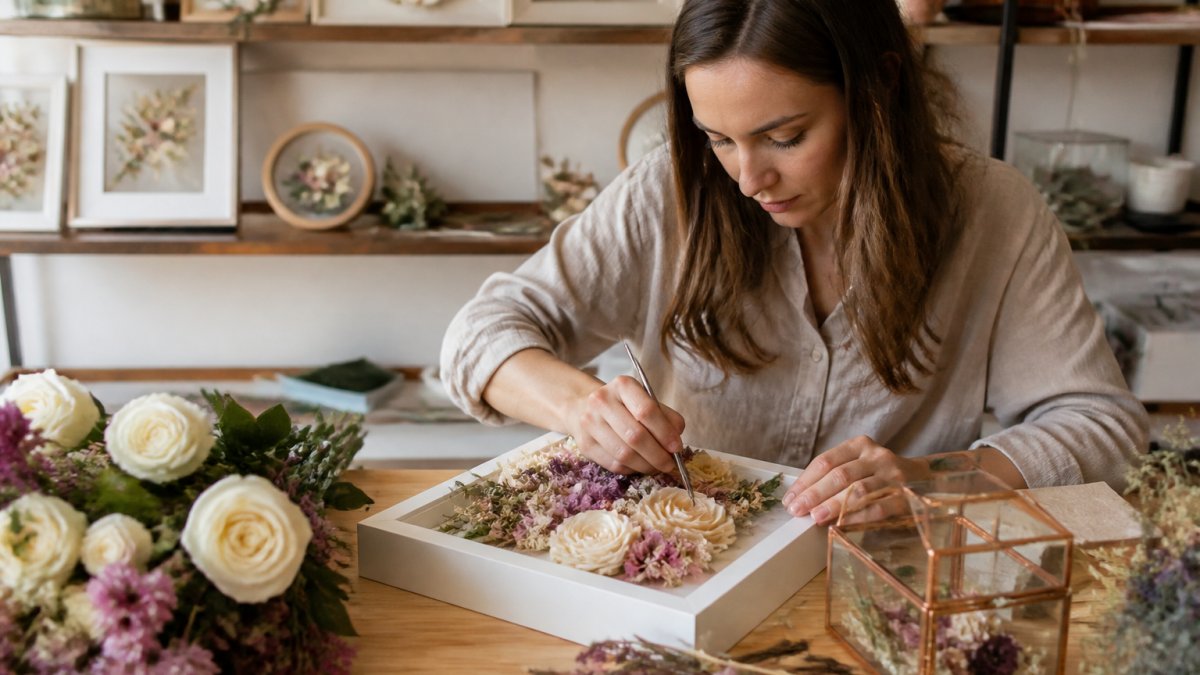
A strong portfolio reveals a wedding flower preservation artist's skill level and consistency. Look for vibrant color retention, detailed petal arrangement, and consistency across projects.
The best portfolios show a range of flower types and bouquet styles. Pay attention to finish quality: clean edges, fresh appearance, and crystal-clear resin (not cloudy).
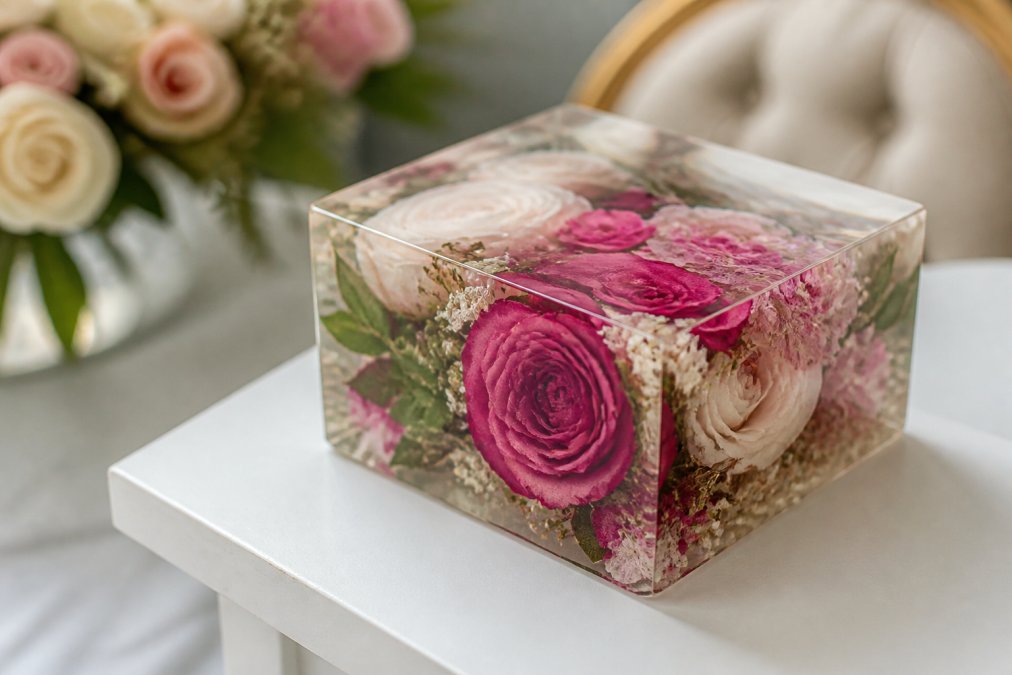
Ask the artist about their preparation process and color-locking techniques. A reliable wedding flower preservation artist will explain their method and show before-and-after photos of the same bouquet.
Check client testimonials for specific details about freshness, turnaround time, and whether the final piece matched expectations. Vague reviews or none at all are red flags.
Resin vs. Pressed Flower Preservation: Understanding Your Options
The preservation method you choose determines the final look, durability, and cost of your keepsake. Each approach has distinct advantages depending on your priorities.
Resin preservation encases your bouquet in UV-resistant resin, creating a three-dimensional keepsake. Flowers stay vibrant, retain their original shape, and resist dust and fading. A resin keepsake lasts 20-30 years without deterioration.
Pressed flower preservation flattens flowers between paper or glass, creating a two-dimensional display. Best for delicate flowers like baby's breath and ferns, it costs less than resin but fades over time, lasting 5-10 years before noticeable color loss.
| Preservation Method | Color Retention | Lifespan | Best For | Display Type |
|---|---|---|---|---|
| Resin | Excellent (10+ years) | 20-30 years | Full bouquets, statement pieces | 3D keepsake, shadow box |
| Pressed | Good initially, fades over time | 5-10 years | Delicate flowers, flat displays | Framed arrangement |
| Freeze-dried | Very good (15+ years) | 15-20 years | Mixed bouquets, texture preservation | Custom arrangements |
Freeze-Dried Preservation as a Third Option
Freeze-drying removes moisture while preserving shape and color better than pressing. Freeze-dried flowers are delicate and can be displayed loose, in shadow boxes, or incorporated into new designs.
Freeze-drying offers flexibility: unlike resin, flowers can be rearranged or incorporated into future projects.
Questions to Ask a Floral Preservation Artist Before Committing
Before committing, ask these critical questions. A professional wedding flower preservation artist will answer clearly, provide written documentation, and welcome follow-up inquiries.
Process and Timeline Questions
"How long does the entire preservation process take from start to finish?" A reliable answer: 8-16 weeks. If an artist promises faster than 6-8 weeks, they are rushing the curing stage, which compromises quality. Ask what happens in each phase.
"What happens to my bouquet during the first week after you receive it?" A good answer includes: flowers are inspected, photographed, cleaned, separated by type, and assessed for difficulty. They should send a "received" photo confirming arrival.
"Will you send progress photos during the preservation process?" Professional artists typically send 2-3 updates, giving you visibility and a chance to request adjustments before finalization.
"What is your backup plan if something goes wrong during preservation?" A good answer specifies re-pouring resin at no cost or discussing discoloration options. Vague answers suggest no protocol.
Flower-Specific Questions
"Have you worked with [your specific flower types] before? What's your success rate?" Ask for examples of the exact flowers in your bouquet. An artist who hesitates or says "I can try" is not the right choice. They should confidently cite past successes and explain challenges.
"Which flowers in my bouquet might be difficult to preserve, and why?" A knowledgeable artist identifies potential problem flowers upfront and explains challenges, demonstrating expertise and setting realistic expectations.
"Can you show me before-and-after photos of bouquets with similar flowers?" Ask for photos matching your bouquet's complexity and flower type to assess whether the artist can deliver your desired look.
Quality and Longevity Questions
"What's your guarantee if colors fade or resin yellows?" Get this in writing. A professional guarantee should specify timeframes and conditions. If an artist won't guarantee anything, they lack confidence in their materials or process.
"Can you show me examples of bouquets you preserved 5+ years ago?" Ask to see photos and, if possible, inspect a piece in person. Real-world evidence of yellowing, fading, cracks, or cloudiness beats any promise.
"What materials do you use, and why?" Professional artists can name their resin brand, explain its UV-resistance rating, and discuss framing materials (archival paper, UV-blocking glass, acid-free mats).
Shipping and Insurance Questions
"How will you package my bouquet for shipment, and what's your insurance coverage?" A detailed answer includes custom rigid box with padding, full replacement value insurance, and business liability coverage. Ask for the insurance policy number or certificate.
Customization and Design Questions
"What customization options do you offer?" A good artist should offer frame styles, resin colors, display types, and add-ons. If they offer only one standard product, they lack flexibility.
Wedding Bouquet Preservation Cost: What Affects Your Price
Pricing depends on several factors. Understanding cost drivers helps you budget accurately and compare artists fairly.
Flower Preservation Timeline: Why the Process Takes Months
Most wedding flower preservation takes 8-16 weeks from start to finish, necessary for quality results.
Week 12-16: Framing, finishing touches, and quality inspection occur.
Red Flags and How to Avoid Unreliable Preservation Artists
No portfolio or outdated portfolio. Ask specifically for examples from the last year.
DIY vs. Professional Preservation and Post-Preservation Care
Some couples attempt DIY preservation using silica gel, pressing, or resin kits. This saves money but introduces significant risk.
Why Professional Equipment Outperforms DIY Methods
DIY pressing is accessible but inconsistent pressure, humidity, and temperature control lead to uneven color retention and fading within 3-5 years. Professional artists use specialized presses with calibrated pressure and climate-controlled rooms.
Post-Preservation Maintenance: Protecting Your Investment
Once your bouquet is preserved, proper care extends its lifespan significantly. This is where many couples fail, they receive their keepsake and assume it requires no attention.
For resin-preserved bouquets:
- Display away from direct sunlight to prevent yellowing. Use UV-blocking glass if near windows.
- Avoid heat sources above 120°F; keep away from vents and radiators.
- Maintain stable humidity to prevent stress cracks; avoid bathrooms and basements.
- Dust gently with a soft, dry cloth. Never use water or cleaning solutions.
- Store in original packaging during moves.
For pressed-flower arrangements:
- Keep in a cool, dark location away from sunlight.
- Maintain humidity below 50% to prevent mold and brittleness.
- Use UV-protective glass in frames for color retention beyond 5-7 years.
- Avoid kitchens and bathrooms where steam degrades materials.
For freeze-dried arrangements:
- Handle minimally; petals shatter easily.
- Display in a shadow box or enclosed frame to prevent rehydration.
- Keep away from humidity sources.
- Avoid touching petals; skin oils accelerate fading.
Insurance and Liability: What Happens If Preservation Fails
A critical question most couples overlook: what recourse do you have if preservation fails? Without accountability, a failed piece is a total loss.
Ask these specific questions before committing:
- Does the artist carry liability insurance?
- What is the written guarantee on yellowing and color fading?
- What happens if the bouquet arrives damaged?
- Is there a refund policy if you're unsatisfied?
Frequently Asked Questions
What's the difference between resin, pressed, and freeze-dried flower preservation?
Resin preservation encases flowers in UV-resistant epoxy, maintaining 3D structure and color for decades. Pressed flower preservation flattens blooms between layers for framed wall art, offering a delicate aesthetic. Freeze-dried preservation removes moisture while preserving shape and color, creating lightweight keepsakes. Each method suits different display styles: resin for dimensional keepsakes, pressed for framed arrangements, and freeze-dried for bouquets you want to keep as-is. Your choice depends on your final vision and how you'll display the arrangement.
How much does wedding bouquet preservation typically cost?
Wedding bouquet preservation cost varies based on bouquet size, preservation method, and artist experience. Pricing depends on quantity, complexity of the design, and whether you want a custom display case or frame. Contact local preservation artists for a personalized quote based on your specific bouquet and preservation method.
How long does the flower preservation process take?
The flower preservation timeline typically spans 4 to 6 months from delivery to completion, though some artists work faster. Initial preparation takes 1-2 weeks, the actual preservation process requires 6-12 weeks depending on the method, and final assembly and framing add another 2-4 weeks. Plan ahead and book your artist immediately after your wedding to secure a timeline that works for you.
What questions should I ask a floral preservation artist before hiring them?
Ask about their experience with your chosen preservation method, how they handle color retention, what happens if flowers arrive in poor condition, their exact timeline, whether they offer insurance for high-value bouquets, and what happens if the preservation fails. Request references from recent clients, ask about their portfolio variety, and clarify whether they provide custom display options. Understanding their process and guarantees helps you avoid disappointment and protects your investment.