 listicle
Sympathy Tributes Beyond Flowers: 6 Meaningful Alternatives
Table of Contents
- Why Choose Alternatives to Traditional Sympathy Tributes
- Potted Plants and Living Memorials as Long-Term Alternatives
- Understanding the Meaning of Sympathy Flowers and When to Choose Something Different
- Sympathy Flower Etiquette and Cultural Considerations for Your Tribute
- Practical Support and Meal Delivery Services
- Charitable Donations and Memorial Gifts in Honor of the Deceased
- What to Include in a Sympathy Card When Sending Your Tribute
- Selecting the Right Sympathy Tribute for Your Budget and Situation
- Frequently Asked Questions
Last Updated: September 23, 2026
When someone you care about loses a loved one, the impulse to send something meaningful is immediate. For decades, sympathy tributes have meant flowers, but sympathy tributes alternatives have expanded far beyond the traditional bouquet.
The challenge is choosing which alternative honors the deceased while meeting the family's needs. Some last longer, some provide practical support, and others create lasting memorials. This guide covers six meaningful ways to express condolences beyond cut flowers.
Why Choose Alternatives to Traditional Sympathy Tributes
Cut flowers are beautiful and immediate, but fade within two weeks. For grieving families, this timing can feel bittersweet.
Practical support matters most. A grieving family often forgets to eat while managing funeral arrangements and emotions. A meal delivery service or charitable donation requires zero effort from them, it just arrives. That's the real value of alternatives to traditional sympathy tributes.

Potted Plants and Living Memorials as Long-Term Alternatives
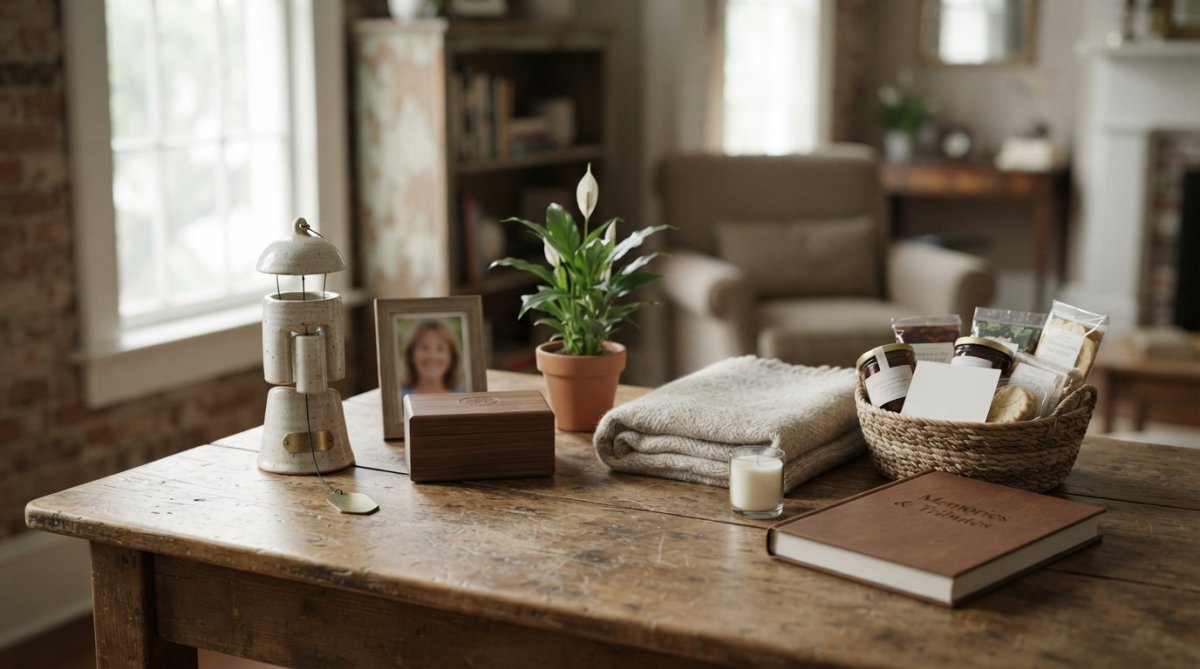
Potted plants outlast cut flowers by months. Orchids and peace lilies bloom for weeks with basic care; succulents require almost no maintenance. Every time the family waters or sees the plant thrive, they're reminded of the person who sent it.
Living memorials plant trees in national forests in honor of the deceased. The family receives a personalized card and digital certificate. Years later, they can visit the tree planted in their loved one's memory, a tribute that grows and endures.
The choice depends on the family's situation: space for a plant, or preference for an outdoor environmental legacy. Both are meaningful alternatives to sympathy tributes that fade within days.
Yole Flower Boutique offers a wide selection of house and blooming plants.
Understanding the Meaning of Sympathy Flowers and When to Choose Something Different
Sympathy flowers carry specific meanings: white lilies symbolize rebirth, red roses represent deep love and respect, yellow flowers convey hope and healing. Understanding this symbolism helps you choose a tribute that communicates what you want to express.
The meaning of a sympathy tribute isn't just in the flowers, it's in what the tribute says about your relationship to the grieving family. A handwritten note matters more than the arrangement. A meal when they're exhausted matters more than presentation.
Alternatives to sympathy tributes become powerful here. A meal service says, "I understand you need support." A charitable donation says, "I'm honoring what this person valued." A potted plant says, "I want this to last, just like my care for you."
Choose flowers for immediate visual beauty when space allows. Choose an alternative when you want practical purpose, longevity, or alignment with the deceased's values or family's beliefs.
Sympathy Flower Etiquette and Cultural Considerations for Your Tribute
Sending a sympathy tribute without understanding cultural and religious context can unintentionally offend. Specific faiths and traditions have distinct expectations about what honors the deceased and comforts the family.
Jewish Traditions In Jewish custom, the family sits shiva (seven days of mourning) at home (Shiva: What You Need to Know). Flowers are permitted, but potted plants are often preferred because they symbolize life and growth during a time of loss. Avoid sending flowers to the funeral service itself; instead, send them to the home during or after shiva. Charitable donations to organizations aligned with the deceased's values are deeply respected. Many Jewish families appreciate meal deliveries during shiva, as cooking is not part of the mourning ritual.
Islamic Traditions Islamic practice emphasizes simplicity and avoids excessive decoration. Cut flowers are generally acceptable, but elaborate or colorful arrangements may feel inappropriate. White or pale flowers are preferred. Many Muslim families appreciate practical support, meals, help with household tasks, over material gifts. Charitable donations (sadaqah) in the deceased's name are highly valued and align with Islamic principles of giving. Avoid sending gifts that contain alcohol or pork-based products.
Christian Traditions Christian denominations vary widely. Catholic families often appreciate flowers at the funeral service and may prefer white lilies (symbolizing resurrection). Protestant families typically welcome flowers at both the service and the home. Evangelical families may prefer charitable donations to faith-based organizations. Orthodox Christian families may have specific guidance on flowers and timing. When in doubt, ask the family's church or funeral director about their specific tradition.
Hindu Traditions Hindu funeral practices often involve cremation, and flowers play a significant role in the ceremony. White flowers are traditionally used; avoid red or pink. Potted plants and living memorials are meaningful alternatives. Many Hindu families appreciate donations to temples or charitable organizations in the deceased's name. Meal deliveries should avoid beef, and vegetarian options are safest unless you know the family's dietary practices.
Buddhist Traditions Buddhist families may prefer simple, understated tributes. White or yellow flowers are appropriate. Living plants symbolize the cycle of life and rebirth, making them particularly meaningful. Charitable donations supporting Buddhist temples or meditation centers honor the deceased's spiritual path. Avoid flowers with strong fragrances, as simplicity is valued.
Secular and Non-Religious Families For families without religious affiliation, the focus shifts to the deceased's personal values and the family's practical needs. Ask directly: "What would honor [person's name] most?" Charitable donations to causes they championed, meal deliveries, or personalized memorial gifts often resonate more than traditional flowers.
Practical Delivery Etiquette Across All Traditions
- Timing: Send tributes before the funeral or within one week after. Avoid flowers to the funeral home on service day unless confirmed.
- Funeral home vs. home delivery: Flowers go to the funeral home; potted plants, meals, and donations go to the family's home.
- Card messaging: Include a handwritten note with a specific memory. Avoid religious language unless you share the family's faith.
- Ask when uncertain: A brief conversation about traditions and preferences shows respect and prevents missteps.
At Yole Flower Boutique, we provide expert guidance for sympathy and funeral flowers.
Practical Support and Meal Delivery Services
A grieving family needs food they don't have to prepare. Meal delivery services send prepared dinners for several days or weeks, no shopping, cooking, or thinking required.
Services like GrubHub, DoorDash, and local meal prep companies send meals directly to the family's address with dietary options. You can schedule meals across multiple days, so support arrives when needed most, often immediately after the funeral.
This alternative to sympathy tributes provides tangible, immediate support. Many families remember who sent meals long after they've forgotten who sent flowers.
Charitable Donations and Memorial Gifts in Honor of the Deceased
A charitable donation in the deceased's name honors what they valued. Donate to a cause they cared about, animal rescue, education, disease research, in their memory.
What to Include in a Sympathy Card When Sending Your Tribute
The card matters more than the tribute itself. A personal, handwritten note transforms any sympathy tribute into something meaningful.
Selecting the Right Sympathy Tribute for Your Budget and Situation
Meaningful tributes exist at every price point. Understanding cost, delivery logistics, and timing helps you choose what fits your resources and the family's needs.
Budget Tiers and Typical Price Ranges
Delivery Logistics: Funeral Home vs. Home
Practical Considerations for Each Option
| Tribute Type | Cost Range | Best Delivery Timing | Space Required | Maintenance | Lasting Impact |
|---|---|---|---|---|---|
| Potted plant | $20-$120 | First 2 weeks | Windowsill or shelf | Minimal to moderate | Months to years |
| Meal delivery | $30-$180 | First week | None (consumed) | None | Immediate relief |
| Charitable donation | $15-$300+ | Anytime | None | None | Ongoing (in deceased's name) |
| Living memorial tree | $50-$100 | Anytime | None (outdoor) | None (maintained by organization) | Permanent |
| Floral arrangement | $50-$200 | Day of or day before service | Vase space | Daily watering | 1-2 weeks |
| Combination (plant + meal) | $80-$280 | Staggered (plant first week, meals ongoing) | Moderate | Mixed | Months + immediate relief |
Logistics Checklist Before You Order
- Confirm the address: Funeral home for flowers; home address for plants and meals.
- Check delivery dates: Avoid the day of the funeral service for home deliveries unless coordinated with the family.
- Dietary restrictions: If sending meals, ask about allergies, vegetarian preferences, or religious dietary laws.
- Space constraints: Ask if the family has room for a large plant or arrangement, especially if they live in an apartment.
- Recipient preferences: When possible, ask the family or a close friend what would be most helpful.
- Include a card: Regardless of budget or tribute type, a handwritten note personalizes the gesture.
Frequently Asked Questions
What are the best sympathy tributes besides flowers?
Sympathy tributes alternatives include potted plants that last months or years, charitable donations made in the deceased's name, meal delivery services for grieving families, memorial trees planted in national forests, personalized gifts like windchimes, and handwritten sympathy cards. Each option serves different purposes: some provide lasting remembrance, others offer practical support. Consider the family's preferences, cultural background, and whether they prefer something tangible or a gesture of ongoing support.
What should I include in a sympathy card to make it meaningful?
A heartfelt sympathy card should express genuine condolences, acknowledge the person's loss by name, share a specific memory or quality of the deceased if appropriate, and offer concrete support (meals, errands, listening). Keep it brief and sincere, avoid clichés like 'they're in a better place.' Write by hand when possible. Include your contact information so the family can reach you. A simple 'I'm thinking of you during this difficult time' paired with a specific offer of help means far more than generic phrases.
What does the meaning of sympathy flowers matter when choosing a tribute?
Understanding sympathy flower symbolism helps you select meaningful arrangements. White flowers (lilies, roses) symbolize peace and purity; red flowers convey deep respect; yellow represents remembrance. However, if the family prefers alternatives, perhaps due to allergies, cultural practices, or personal preference, knowing this symbolism helps you explain why you've chosen a different tribute instead. Many families appreciate learning that a potted plant or donation honors the same sentiments as traditional flowers.
How do I follow proper sympathy flower etiquette when sending a tribute?
Sympathy flower etiquette includes sending arrangements promptly (ideally before or shortly after the service), addressing them to the funeral home or bereaved family's home, including a card with your name and brief message, and considering the family's cultural or religious practices. If flowers aren't appropriate, ask the funeral home or family directly. Avoid overly bright colors unless specified. Always confirm delivery details with the recipient.