 ultimate-guide
Wedding Flowers on a Tight Budget: A 2026 Guide
Table of Contents
- Understanding Your Wedding Flowers Budget
- Prioritizing High-Impact Floral Areas
- Seasonal Wedding Flower Guide for Smart Spending
- DIY vs. Professional Florist: Where to Invest
- Repurposing Wedding Ceremony Flowers for Reception
- Wedding Florist Consultation Questions That Save Money
- Best Ways to Preserve Wedding Bouquets and Extend Value
- Alternative Flower Sources and Cost-Cutting Tactics
- Frequently Asked Questions
Last Updated: September 24, 2026
Understanding Your Wedding Flowers Budget
The biggest mistake couples make when planning their wedding flowers budget is treating florals as an afterthought. You've locked in the venue, the caterer, the photographer. Then you turn to flowers and realize you've already spent 80% of your total budget.
Start by determining what percentage of your overall wedding budget you can reasonably allocate to flowers. Many couples find that dedicating 8-12% of their total budget to florals allows for meaningful arrangements without derailing other priorities. This isn't a hard rule, it depends on your specific vision and what matters most to your celebration.
The real work happens next: deciding where flowers actually matter. Not every element of your wedding needs elaborate florals. A bridal bouquet commands attention. A ceremony backdrop or altar arrangement sets the tone. Reception centerpieces get studied up close by seated guests. Everything else is secondary. At Yole Flower Boutique, we help couples identify these high-impact zones first, then build a realistic plan around them.
Break your budget into categories: bridal party flowers (bouquet and boutonnieres), ceremony décor, reception centerpieces, and miscellaneous arrangements. Assign percentages based on visibility and importance. Your bouquet might claim 20-25% of your floral budget because it appears in every photo. Ceremony arrangements might take another 30-35%. Reception centerpieces split the remainder with cocktail hour and any additional installations.
This framework prevents surprise overages and keeps you focused on what guests will actually see and remember.
Prioritizing High-Impact Floral Areas
Your ceremony backdrop and altar arrangements deserve the bulk of your floral investment. These are the first things guests see. They set the emotional tone for your entire celebration. They appear in every ceremony photo and video. Invest here.
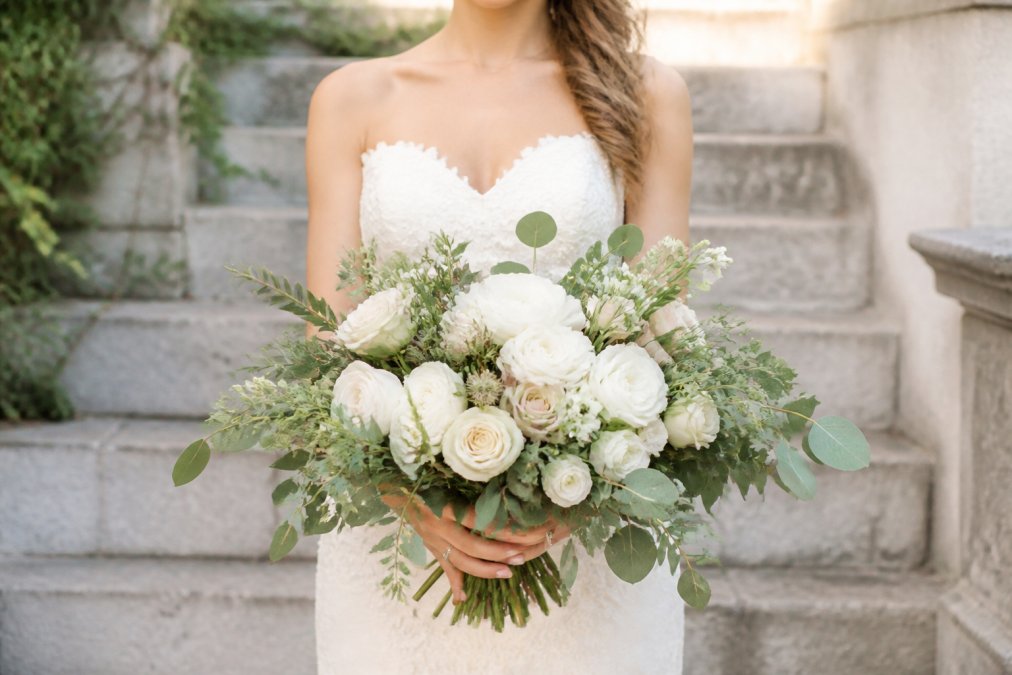
The bridal bouquet comes second. You'll hold it throughout the ceremony and most of the reception. It appears in countless photographs. It's a focal point when you're walking down the aisle and during your first dance. A stunning bouquet justifies its cost.
Reception centerpieces rank third. They're beautiful, but guests spend most of their time eating and talking. A modest, well-designed centerpiece creates ambiance without requiring premium flowers or extensive labor.
Boutonnieres and corsages are functional. They don't need to be elaborate. A simple, elegant design costs far less than a full bridal bouquet but still looks polished and intentional.
Many couples overlook one critical detail: floral logistics and transport costs. Florists don't just charge for flowers and labor. They charge for delivery, setup, and installation at your venue. If your ceremony and reception are at different locations, that's an additional trip. If your venue requires early morning delivery for ceremony flowers, that's a premium service. Ask your florist about these costs upfront, they can easily add 15-20% to your total.
One insider tip: concentrate your premium flowers in the areas guests see most. Use generous amounts of affordable greenery and foliage to fill out arrangements. A bouquet that's 40% roses and 60% eucalyptus, leather leaf, and ruscus costs significantly less than one that's 100% roses, but from across the room, the visual impact is nearly identical.
Seasonal Wedding Flower Guide for Smart Spending
Seasonal flowers cost less because they're abundant. Out-of-season flowers require importing, special handling, and premium pricing. The difference can be substantial.
Spring (March-May) offers peonies, tulips, ranunculus, and cherry blossoms. These are at peak availability and lowest cost. Spring weddings have a natural advantage for budget-conscious florals.
Summer (June-August) brings roses, sunflowers, dahlias, and hydrangeas. Roses are commodity flowers, widely available, reasonably priced, and versatile. Sunflowers and dahlias add texture and visual interest without premium pricing.
Fall (September-November) features dahlias, chrysanthemums, hypericum berries, and wheat. These seasonal elements carry rich color and texture. Chrysanthemums, often underrated, provide full, lush shapes at modest cost.
Winter (December-February) is the most expensive season for florals. Roses, carnations, and imported flowers dominate. If you're marrying in winter, lean heavily on greenery, branches, and structural elements. Eucalyptus, salal, and Italian ruscus cost far less than flowers but create sophisticated, full arrangements.
A practical approach: build your color palette around what's in season. A winter wedding with white roses, burgundy carnations, and abundant greenery costs less than one demanding imported peonies and garden roses. The result is still stunning, just aligned with natural availability.
Seasonal flowers also tend to be fresher. They haven't traveled as far or spent as long in cold storage. Your arrangements last longer, look better, and represent better value.
DIY vs. Professional Florist: Where to Invest
This is where many couples make costly mistakes. DIY florals sound budget-friendly until you calculate the actual cost of flowers, supplies, and your time.
Buying wholesale flowers requires volume purchases. You can't buy a dozen roses, you buy 50 or 100 stems. Add floral foam, tape, wire, ribbons, and containers. Add the time to arrange, condition, and assemble everything the day before your wedding while you're already stressed. Many couples discover that DIY costs nearly as much as hiring a florist, minus the expertise and polish.
Here's the honest assessment: hire a professional for arrangements that require skill and appear in photographs. Your bridal bouquet, ceremony arrangements, and any statement pieces deserve professional hands. These are visible, high-impact elements where quality matters.
DIY works for simple elements: tying ribbons on boutonnieres, assembling centerpieces from pre-made arrangements, or arranging grocery store flowers in simple vessels. If you have the time, patience, and design eye, these tasks save money. Most couples don't have all three.
The sweet spot: hire a florist for consultation and design, then negotiate a hybrid arrangement. Perhaps they create your bridal bouquet and ceremony backdrop, and you assemble reception centerpieces from flowers they provide. This reduces labor costs while maintaining professional quality where it matters most.
At Yole Flower Boutique, we offer personalized wedding consultations that help you identify exactly where professional design adds value and where you can reasonably DIY. This approach keeps costs realistic while ensuring your wedding looks intentional and beautiful.
Repurposing Wedding Ceremony Flowers for Reception
Your ceremony flowers don't disappear after the vows. They can serve your reception, dramatically reducing your total floral budget.
The most obvious move: the ceremony backdrop or arch becomes a focal point for cocktail hour. Guests gather, photos happen, and those flowers serve double duty. No additional purchase needed.
Ceremony aisle flowers can be repurposed as reception centerpieces. Remove them from their ceremony containers, trim the stems, and place them in vases on reception tables.
Wedding Florist Consultation Questions That Save Money
Before you sign a contract, ask these specific questions. The answers reveal how a florist approaches budget and value.
Best Ways to Preserve Wedding Bouquets and Extend Value
Your wedding bouquet is a significant investment. Preserving it extends its emotional and financial value.
Alternative Flower Sources and Cost-Cutting Tactics
Wholesale flower markets offer dramatic savings if you're willing to buy in volume and handle the logistics yourself. Local flower markets operate early mornings, selling directly to florists and the public. Prices are 30-50% lower than retail, but you're buying 50-stem bunches, not individual stems.
Frequently Asked Questions
What is a realistic budget for wedding flowers?
Wedding flower budgets vary widely based on guest count, venue size, and design complexity. Most couples allocate 8-12% of their total wedding budget to floral arrangements. However, the actual cost depends on your choices: seasonal flowers cost less than out-of-season varieties, greenery-heavy designs cost less than flower-heavy ones, and DIY arrangements cost significantly less than hiring a professional florist. Contact a local florist for a personalized quote based on your specific vision and guest count.
What are the best seasonal flowers for wedding budgets?
Seasonal flowers are 20-30% cheaper than out-of-season blooms. Spring offers peonies, tulips, and ranunculus; summer brings sunflowers, zinnias, and dahlias; fall features chrysanthemums and celosia; winter includes amaryllis and hellebores. Choosing flowers that naturally bloom during your wedding month reduces costs significantly. A florist can recommend seasonal options that match your color scheme and style without stretching your budget.
How can I save money on wedding flowers without sacrificing style?
Focus spending on high-impact areas like the bridal bouquet and ceremony altar, then use greenery and foliage to fill other spaces affordably. Repurpose ceremony flowers for the reception, choose seasonal varieties, consider wholesale flower markets, and ask your florist about bulk pricing for multiple arrangements. Using fewer but larger focal flowers combined with textured greenery creates visual impact at lower cost than many small arrangements.
Should I DIY my wedding flowers or hire a professional?
DIY works if you have design experience, access to wholesale sources, and time to arrange flowers 1-2 days before the wedding. However, professionals handle logistics, preservation, delivery, and installation, valuable services if your budget allows. Many couples compromise by hiring a florist for key pieces (bridal bouquet, ceremony altar) and DIYing secondary arrangements. A wedding florist consultation can help you decide which approach fits your skills and timeline.
What should I ask a florist during a wedding consultation?
Ask about their experience with your budget size, seasonal flower options that fit your vision, labor fees versus product costs, delivery and installation charges, and whether they offer package deals. Inquire about repurposing ceremony flowers for the reception, preservation services for your bouquet, and their refund or damage policy. Request a detailed written estimate that breaks down costs by arrangement type so you understand where your money goes.
How do I preserve my wedding bouquet after the ceremony?
Store your bouquet in cool water in a dark room immediately after the ceremony. Remove lower leaves, trim stems at an angle, and change water daily. Avoid direct sunlight and heat sources. For long-term preservation, consider freeze-drying or pressing services offered by some florists, these preserve your bouquet as a keepsake. Proper care extends freshness by several days, allowing you to display your bouquet longer and maximize its value.
Can I use ceremony flowers again for the reception?
Yes, repurposing ceremony flowers is an excellent budget strategy. The altar arrangement, aisle markers, and ceremony backdrop flowers can be redesigned into reception centerpieces or cocktail hour displays. Discuss this plan with your florist before the wedding so they design arrangements that work for both settings. This approach cuts floral costs significantly while maintaining a cohesive look throughout your celebration.