 how-to
Signs of High Quality Fresh Flowers: A 2026 Guide
Table of Contents
- Why Freshness Matters More Than You Think
- Signs of High Quality Fresh Flowers: A Visual Checklist
- Why Do Flowers Die So Quickly?
- How to Make Cut Flowers Last Longer
- Best Flowers for Long-Lasting Arrangements
- Seasonal Variations and Sourcing: What Affects Freshness
- Frequently Asked Questions
Last Updated: September 17, 2026
Why Freshness Matters More Than You Think
A bouquet that arrives looking tired will be dead by Thursday. That is the hard truth behind every flower purchase, and it is why learning the signs of high quality fresh flowers saves you money and disappointment.
Fresh flowers are cut plant stems that still carry living tissue, which means they keep changing from the moment they are harvested. A bloom at peak freshness holds its color, stands upright, and drinks water normally. A bloom past its peak is already shutting down.
Here is the part most buyers miss: freshness is not about how pretty the arrangement looks in a photo. It is about stem integrity, petal texture, and hydration levels. Those three things decide whether you get five days or ten.
Below, we break down exactly what to look for, plus how to keep cut flowers alive longer once they are home.
Signs of High Quality Fresh Flowers: A Visual Checklist
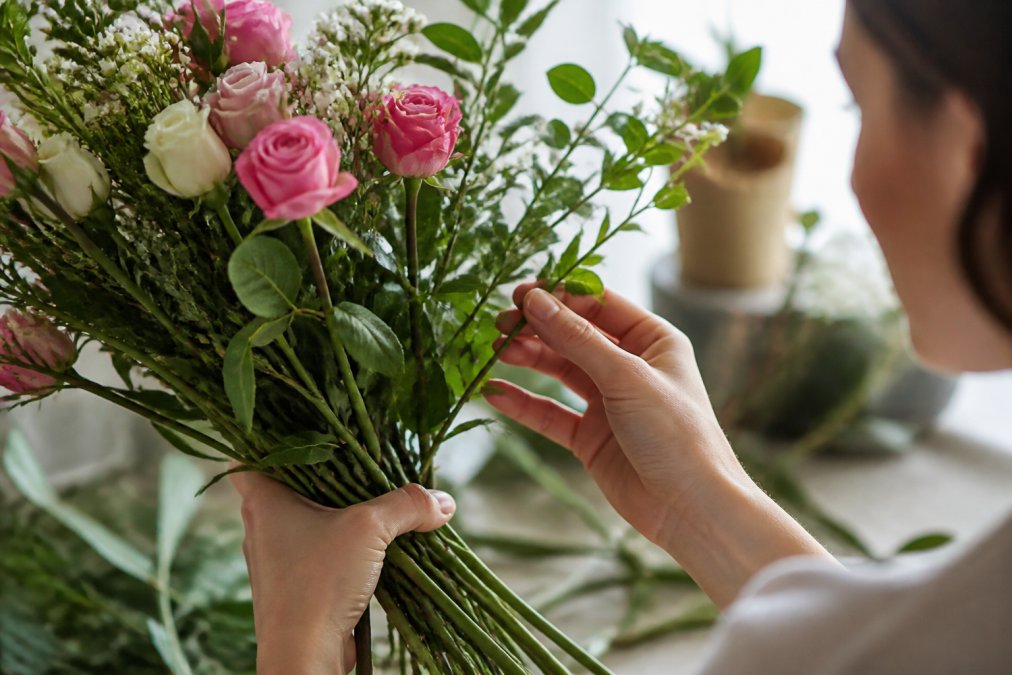
The best way to judge quality is a slow, hands-on inspection. Skip the ribbon and the wrapping. Look at the plant itself, one part at a time.
Check the Stems First
Stems tell you more than blooms do. A healthy stem is firm, green, and snaps cleanly when bent. If it feels bendy, rubbery, or soft, the flower is older than it looks.
Watch for these stem problems:
- Slimy or slick stems, a sign of bacteria in the water
- Brown or mushy ends where the cut has sealed over
- Hollow or dried-out stems that cannot draw water
- Weak stems that let the head droop or flop sideways
A firm stem means the flower can still drink. That single factor drives vase life more than anything else.
Examine the Petals and Foliage
Petals should feel cool, dry, and slightly crisp. Run a finger along one. If it feels thin or papery, the bloom is fading.
Look for a vibrant color with no fading at the edges. Then check the foliage. Leaves should be green, upright, and free of yellow patches.
Signs to walk away from:
- Wilting or curling petals
- Leaves that feel dry, brittle, or moist in a bad way
- Yellow or brown browning along leaf edges
- A dull, dusty look on what should be a healthy bloom
Look for Bruising, Transparency, and Discoloration
This is where cheap flowers give themselves away. Bruising shows up as dark, mushy patches on petals. Transparency looks like see-through spots, almost like wet tissue paper.
Both mean the cells have broken down. Once that happens, the flower will not recover, no matter what you do.
Check for discoloration too. Brown or black spots on petals or leaves point to disease, cold damage, or simple old age. Any of these three signs means the bloom is past its peak.
Why Do Flowers Die So Quickly?
Most cut flowers die fast for one simple reason: they run out of water. A cut stem keeps trying to drink, but the cut end seals over, and bacteria clog the pathway.
Several things speed up that decline:
- Air bubbles trapped in the stem after a dry cut
- Bacteria build-up in dirty vase water
- Heat and direct sun, which pull moisture from petals
- Ethylene gas from ripening fruit nearby
- Dehydration during shipping or storage
Many flowers also arrive already several days old. A rose can be cut, shipped, and stored for a week before it ever reaches a shop. By the time you see it, half its life is gone.
That is why buying from a local florist matters. Shorter travel time can mean a fresher flower.
How to Make Cut Flowers Last Longer
Good care can add several days to any bouquet. The rules are simple, and most people skip them.
Water Quality and Container Hygiene
Clean water is the single biggest factor in longevity. Change it every two days. Every time you change it, re-cut the stems.
Follow this routine:
- Wash the vase with hot, soapy water before use
- Fill with room-temperature water, not cold
- Re-cut each stem at a 45-degree angle
- Remove any leaves below the water line
- Change the water every two days
- Keep the vase away from direct sun and heat
Leaves left underwater rot fast. That rot feeds bacteria, and bacteria shorten vase life. Strip them off.
Post-Purchase Care That Actually Works
A few habits make a real difference. Keep the arrangement out of drafts and away from ripening fruit. Move it to a cooler room at night if you can.
Use the flower food packet that comes with the bouquet. It contains sugar for energy and a mild acid to slow bacteria. If you run out, a drop of bleach in the water does a similar job on a smaller scale.
Recut the stems every few days. A fresh cut opens the pathway again, so the flower can keep drinking.
Best Flowers for Long-Lasting Arrangements
Some flowers simply last longer than others. If you want a bouquet that holds up for a week or more, start with the sturdy ones.
| Flower | Typical Vase Life | Care Level | Best For |
|---|---|---|---|
| Carnations | 7-14 days | Easy | Budget bouquets |
| Chrysanthemums | 7-14 days | Easy | Fall arrangements |
| Alstroemeria | 7-14 days | Easy | Mixed bouquets |
| Lilies | 7-10 days | Moderate | Statement centerpieces |
| Roses | 5-10 days | Moderate | Anniversaries |
| Tulips | 4-7 days | Higher | Spring displays |
| Peonies | 4-6 days | Higher | Weddings |
Carnations and chrysanthemums are the workhorses. They handle heat, travel, and neglect better than most. Roses last well too, but only if the stems stay clean and the water gets changed.
Tulips and peonies are gorgeous but delicate. They open fast and fade fast. Buy them for a specific event, not for a week of display.
For a balanced arrangement, mix sturdy blooms with a few showstoppers. You get the best of both.
Seasonal Variations and Sourcing: What Affects Freshness
Freshness depends heavily on the season and where the flowers come from. This is the angle most guides skip entirely.
In peak season, local flowers are cut and sold within days. Out of season, the same variety may travel across the world in cold storage. That trip takes a toll.
Here is what changes by season:
- Spring: Tulips, peonies, and ranunculus peak. They are fresh but short-lived.
- Summer: Sunflowers, zinnias, and dahlias arrive at their best. Heat is the enemy here.
- Fall: Chrysanthemums and dahlias shine. Cooler air helps them hold.
- Winter: Most blooms are imported. Expect higher prices and shorter vase life.
Sourcing matters just as much. Flowers grown nearby spend less time in transit, so they reach you fresher. According to the USDA Agricultural Marketing Service, cut flower imports move through strict inspection channels, which adds handling time before blooms reach a shop.
Local and seasonal blooms can often last longer once they are in your vase.
Frequently Asked Questions
How can I tell if flowers are good quality before I buy them?
Check the stems first: they should feel firm and stand upright, not bendy or slimy. Petals should be vibrant and free of brown spots or transparency. Foliage should be green and crisp, not yellowing or drooping. A healthy bloom holds its shape and has a mild, fresh scent. If buds are closed, they should feel plump, not papery. These signs of high quality fresh flowers help you avoid arrangements that wilt within a day or two.
Why do flowers die so quickly after I bring them home?
Most cut flowers die quickly because of bacteria in the water, air pockets in the stems, or lack of hydration. If you don't re-cut the stems at an angle and change the water every two days, bacteria multiply and block water uptake. Warm room temperatures and direct sunlight also speed up aging. Choosing flowers with firm stems and no bruising at purchase gives you a head start on vase life.
What is the 3:5:8 rule for flowers?
The 3:5:8 rule is a floral design guideline for proportion: three parts flowers, five parts foliage, and eight parts vase height. It helps create balanced arrangements, but it is not a freshness test. For quality, focus on stem firmness, petal color, and hydration. A well-proportioned arrangement still needs fresh, turgid stems to last. Use the rule for design, and our checklist for quality.
How long do fresh flowers stay good in a vase?
With proper care, most cut flowers last five to seven days. Some, like carnations, chrysanthemums, and orchids, can last up to two weeks. Changing water every two days, re-cutting stems, and using a clean vase extend vase life. Flowers that die in three days often had bruising, bacteria, or poor hydration before you bought them. Look for firm stems and vibrant petals to get the longest possible bloom time.
Fresh flowers are a gift, a tribute, or a small joy, and they should never arrive half-dead. The fix is knowing what to look for, then buying from someone who checks every stem before it ships. Yole Flower Boutique handcrafts each arrangement, offers free wedding consultations, delivers daily to local funeral homes, and gives expert guidance on sympathy and everyday blooms. Get started with Yole Flower Boutique and enjoy flowers that actually last.